
The US has set its sights on shadow fleet tankers. What does this mean for Russia?
Western efforts to curb illicit oil shipping are escalating - and risk sparking direct confrontation between Russian and Nato forces.

Alexey Kalmykov, BBC News Russian
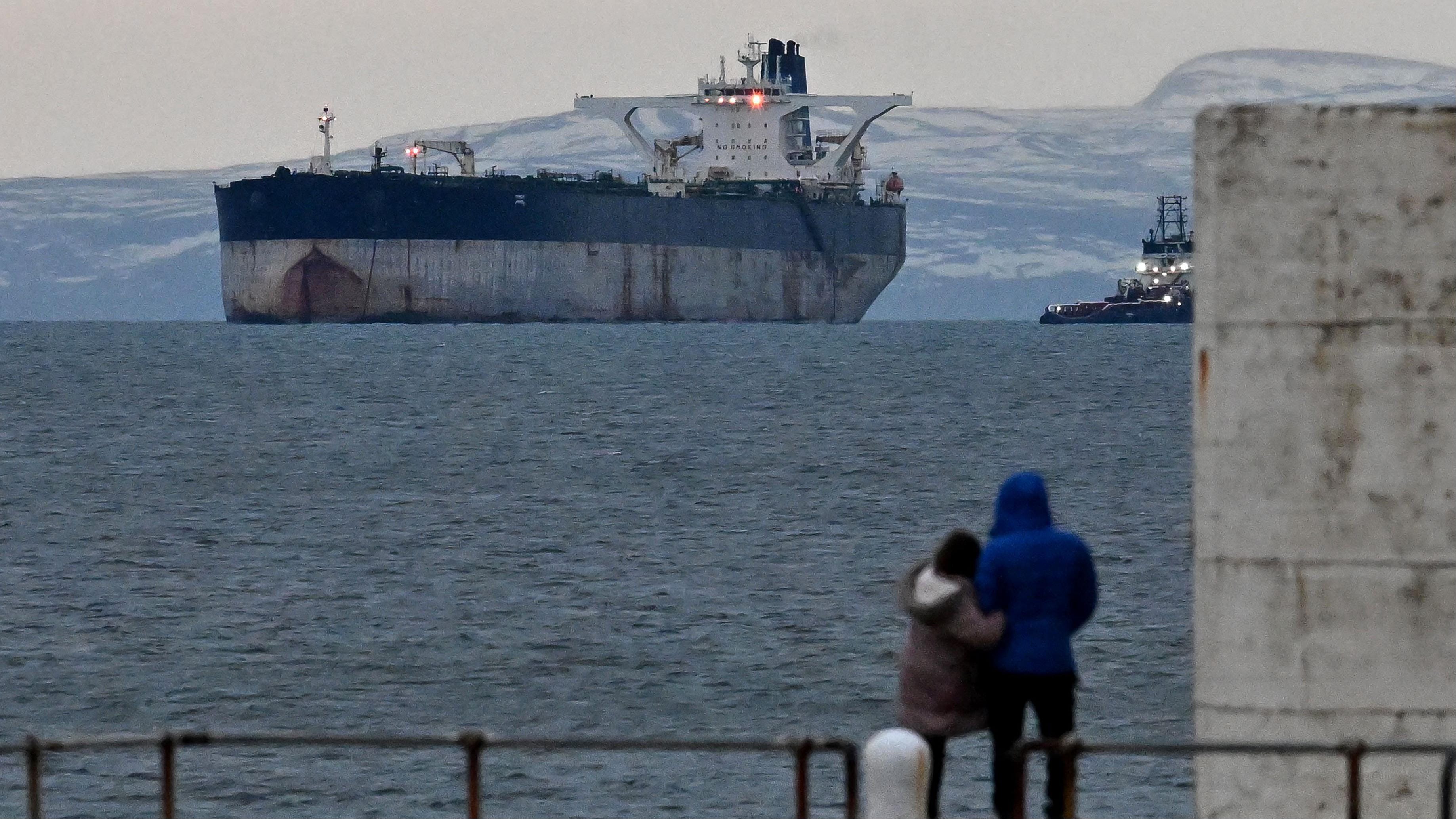
The New Year began dramatically for the so-called shadow fleet: an armada of ageing, poorly maintained tankers of opaque ownership that allows Russia, Iran and Venezuela to trade oil in defiance of Western sanctions.
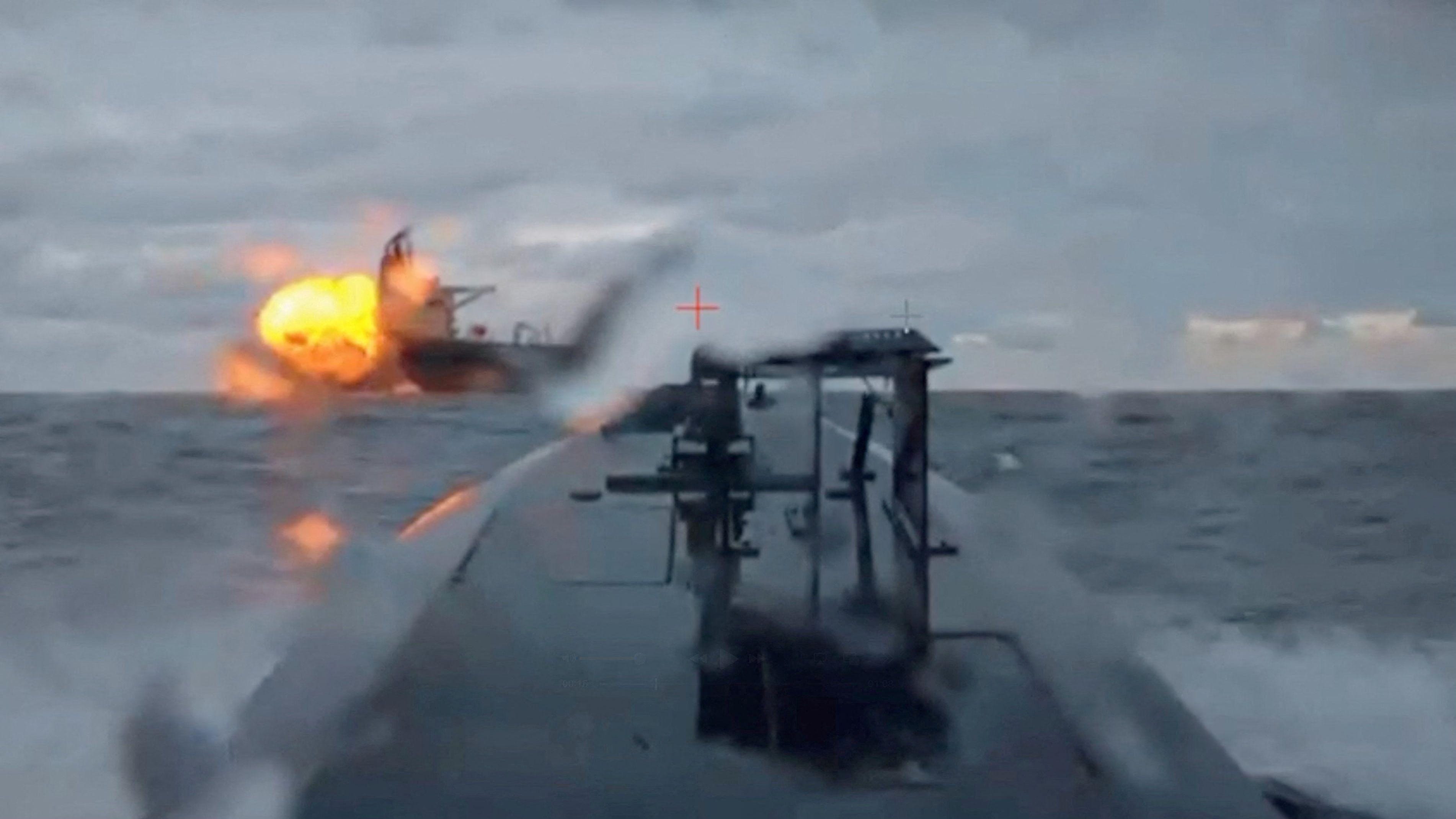
The US cracked down on the shadow fleet in the Atlantic, declaring a naval blockade of Venezuela and seizing a Russian-flagged tanker near the UK. Since the start of winter, Ukraine has also been attacking such ships in the Black Sea bound for Russia.
Until now, the shadow fleet has quietly sailed the world’s oceans, expanding rapidly in the years since Russia’s invasion of Ukraine. It now numbers more than 1,000 vessels - at least one in every five oil tankers worldwide.
The West largely confined itself to sighing and lamenting the brazen violation of established shipping norms, but stopped short of action. Freedom of navigation applies in international waters.
Since Donald Trump returned to power last year, the US has been particularly reluctant to engage with the shadow fleet, imposed no sanctions against it, and argued it was a European problem.
That changed abruptly on New Year’s Eve.
Donald Trump decided to take control of Venezuela, sending special forces to seize President Nicolás Maduro and deploying the US Coast Guard to pursue tankers carrying Venezuelan oil under dubious flags and with their transponders switched off.
The seizure of tankers by the US off the coast of Venezuela, combined with Ukrainian drone attacks in the Black Sea, show that “the dark fleet of hundreds of flagless, stateless tankers can no longer operate unchallenged as they transport sanctioned oil and gas,” say experts at Windward, a leading maritime consultancy.
A dark year
Analysts warn the situation is likely to deteriorate further.
“It’s clear that shipping in 2026 is going to get darker,” Windward analyst Michelle Wiese Bockmann writes. “The number of vessels operating outside international rules-based order grows daily. The lines between commercial and military in shipping are increasingly blurred.”
But new problems are unlikely to deter the shadow fleet’s clients, Wiese Bockmann says. The fleet remains indispensable to these rogue states, enabling them to earn tens of billions of dollars from oil exports.
Chief among these clients, since the full-scale invasion of Ukraine, is Russia.
Every second suspect tanker carries Russian oil, mainly to India and China. Overall, Russia relies on the shadow fleet for around 80% of its oil and petroleum product exports, according to estimates by S&P Global analysts.
The remaining 20% is carried mostly by Greek tankers, which are permitted to transport Russian oil provided it is sold below the price cap.
That, too, may soon come to an end if the EU introduces a total ban in the 20th sanctions package it is preparing for the fourth anniversary of the full-scale invasion on 24 February 2026. Russia would then be forced to rely entirely on the shadow fleet to sell oil and petroleum products, which are its main exports.
The Kremlin has shown it is willing to raise the stakes to protect its oil revenues. When US authorities pursued a Russian-flagged tanker, Vladimir Putin dispatched a submarine and aircraft to escort it.
He also described Ukrainian attacks in the Black Sea as “piracy” and vowed retaliation.
What else can the US and Britain do?
The US appears determined to dismantle the Venezuelan shadow fleet, and could later turn its attention to Iranian and Russian vessels.
For now, however, Donald Trump has limited himself to bellicose rhetoric directed at Putin and the ayatollahs. In the year since returning to the White House, he has not approved a single measure that would seriously restrict oil exports from Russia or Iran, nor has he joined new European sanctions targeting the shadow fleet and Russian oil.
Still, decisive US action against Venezuela’s shadow fleet is likely to cause problems for Russia too, even if Trump confines himself to combating piracy in the Western Hemisphere.
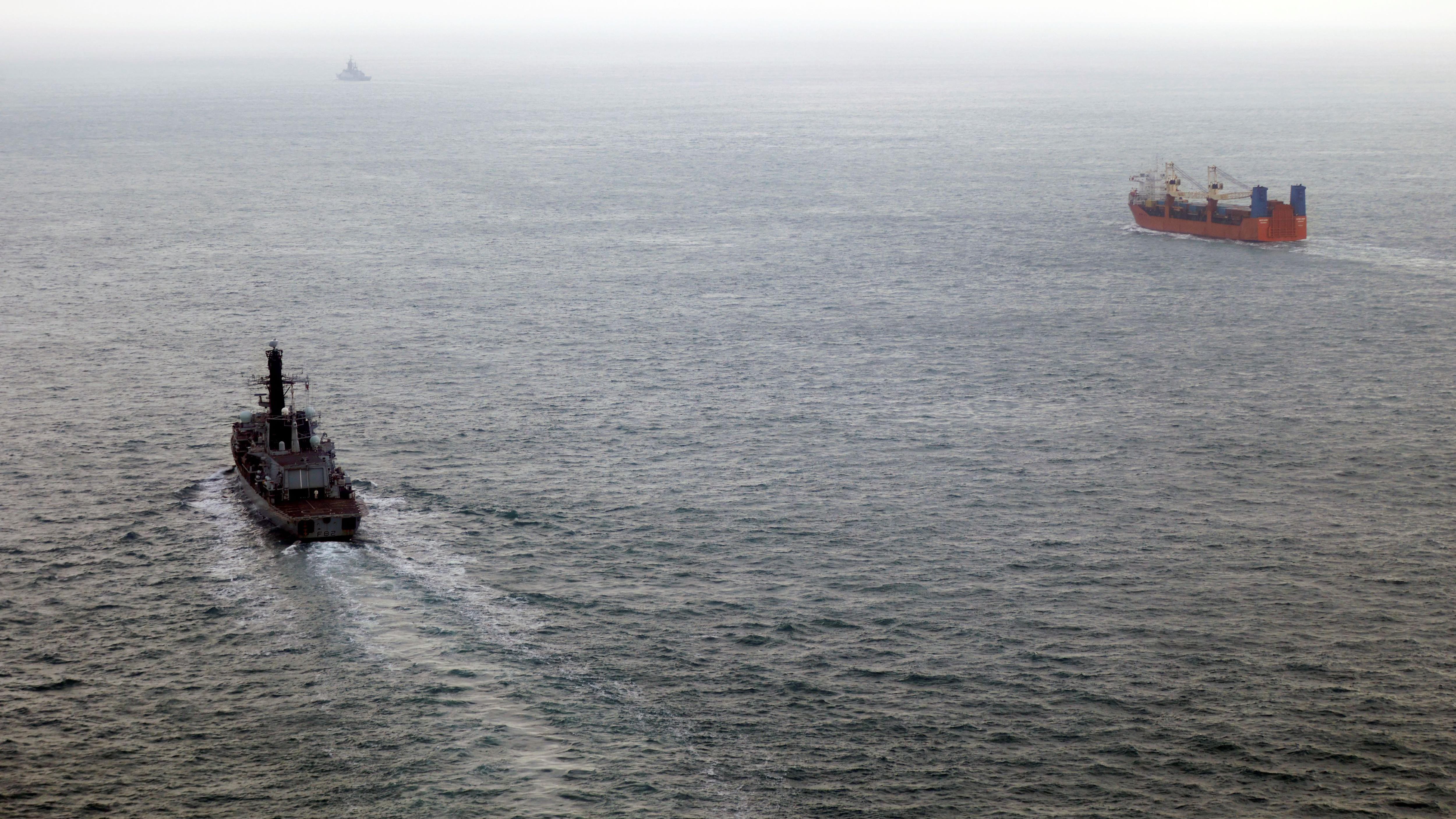
The seizure of the Russian-flagged tanker Marinera, which was fleeing Venezuela into the North Atlantic, has emboldened Washington’s closest European ally, the UK.
British forces supported the US operation, prompting discussions in London about whether it might be time to board Russian shadow fleet vessels in the English Channel. Around a dozen such tankers pass through every week.
“We’re going to look at a wide range of ways in which to increase that pressure on the Russian shadow fleet,” Foreign Secretary Yvette Cooper told the BBC this week. “We’re ready for much stronger enforcement, a much more assertive and robust approach, so that we don’t have that navigation becoming sabotage instead.”
What can the EU do?
European officials have long accused Russian-linked vessels of engaging in hybrid warfare. They argue that these ageing, shadowy ships are used not only for illicit trade, but also for espionage, launching drones and cutting seabed cables between NATO countries in the Baltic and North Seas.
“The EU will continue to fortify its critical infrastructure, including by investing in new cables, strengthening surveillance, ensuring more repair capacity, and moving against Moscow’s shadow fleet, which also acts as a launchpad for hybrid attacks,” said EU foreign policy chief Kaja Kallas.
If a political decision is taken, officials would have little difficulty making life hard for Russian tankers in the Baltic through endless inspections, according to industry publication Lloyd’s List.
The era of politely asking about insurance is coming to an end, the publication writes.
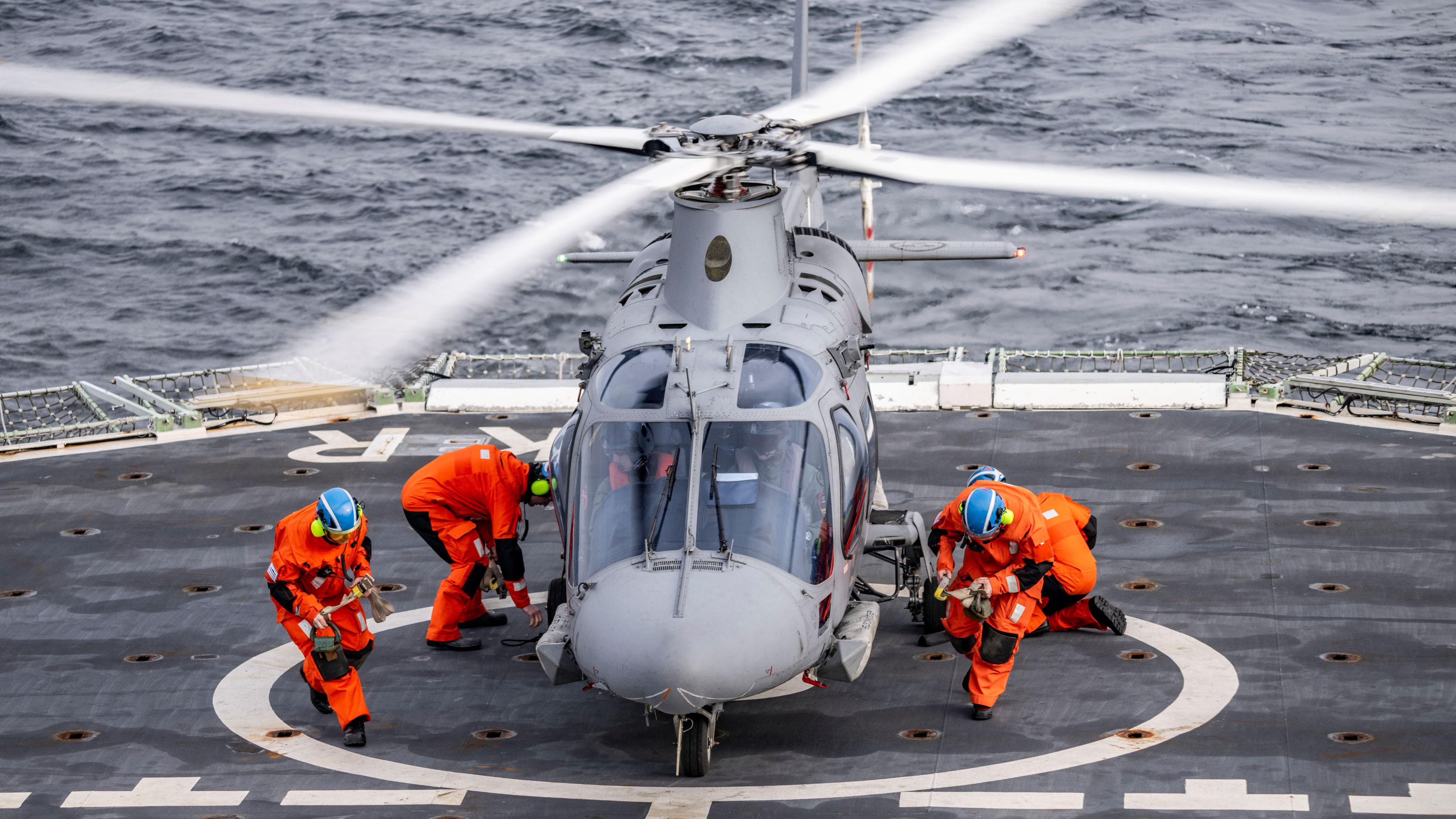
The EU is now developing a legal framework that would allow it to treat shadow shipping not merely as a nuisance that breaks rules, but as a threat to safety and the environment - giving authorities grounds to stop vessels on that basis.
Until now, EU inspectors and security forces have boarded tankers only when they entered territorial waters, often because the ships were obliged to change course owing to mechanical failures.
The US operation against Venezuelan tankers may change that, notes Windward analyst Wiese Bockmann.
“European coast guard and navies should be watching the interception and boarding of false flag tankers off Venezuela with immense interest,” she writes. “The US has shown them a template for legally tackling the risk to marine safety, security and the environment.”
In recent years, the shadow fleet has enjoyed the right of innocent passage in international waters under the UN Convention on the Law of the Sea, while freely flouting the rules: changing flags, switching off transponders, renaming ships several times a month, rotating obscure owners and concealing destinations.
But the convention also includes Article 110, which states that if a vessel has no nationality, or if there are grounds to suspect its flag is false, any warship may inspect it in international waters.
The US has repeatedly used this provision to detain vessels linked to Iran’s shadow fleet, even before Russia’s war in Ukraine. Now it has turned its attention to Venezuela’s.
That precedent could encourage Europe to follow suit, making life much harder for Russia’s shadow fleet - and increasing the risk of a direct military confrontation between Russia and Nato, this time at sea.
Read this story in Russian here.
English version edited by Theo Merz.