
‘A place where they kill slowly’: the BBC investigates the treatment of Ukrainian prisoners in a notorious Russian jail
“Everywhere was hard, but the worst was Mordovia,” recalls a former Ukrainian prisoner, echoing accounts of other former POWs held in Russia's IK-10, all freed in swaps, BBC spoke to.

By Zhanna Bezpyatchuk and Sergey Goryashko.
This story contains description of torture which some may find upsetting.
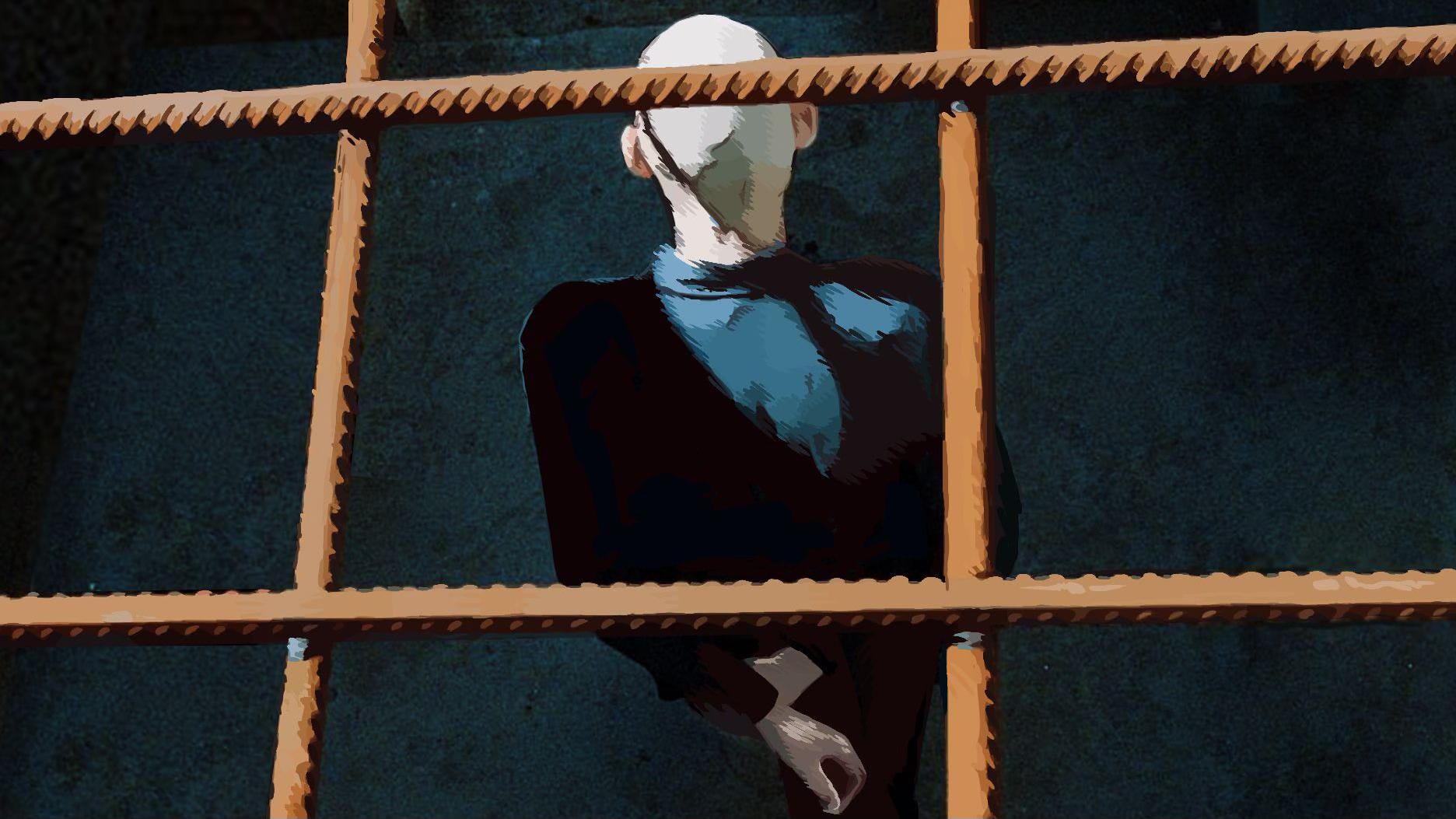
The 23-year-old Ukrainian soldier was determined to count every day that he spent in Russian captivity - a total of 992 days.
The former architecture student joined the Ukrainian army as a volunteer in November 2021. Because of his career choice, he was given the code name Architect. Three months later, Russia launched its full-scale invasion of Ukraine.
Following a siege that lasted around three months, Russian forces captured the south-eastern city of Mariupol in 2022. Architect was taken prisoner.
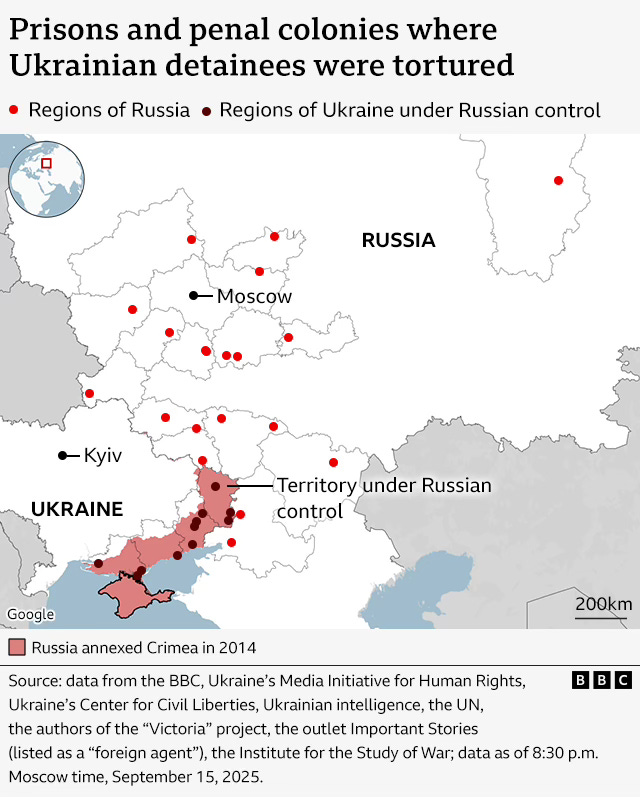
He was transferred between prisons several times before spending almost 11 months - from February to December 2024 - in IK-10, a penal colony in the Russian region of Mordovia, about 500km (310 miles) south-east of Moscow.
“Everywhere was hard, but the worst was Mordovia,” says Architect, echoing the accounts of others, who told the BBC it was “hell” and “the place where they kill slowly”.
He recalls days when fellow inmates could barely walk, sometimes crawling after beatings by guards.
The BBC spoke to six former prisoners of IK-10, all freed in swaps, and the sister of a soldier who died there. All described systematic beatings, torture and other inhumane treatment.
Widespread abuse
Prisons across Russia are notorious for widespread practices of torture and mistreatment, documented by journalists and human rights activists. Inmates are physically and sometimes sexually assaulted for confessions, extortion or discipline.
Ukrainians who were imprisoned by Russia recall being routinely addressed by ethnic slurs and being physically abused.
Ukrainian authorities say at least 8,000 prisoners of war and civilians detained without trial remain in Russian prisons and occupied territories.
Intimidation
IK-10 is a ‘special-regime’ prison - the harshest category in Russia, normally reserved for men serving life sentences.
For years, it has been notorious for brutal treatment of inmates and the poor conditions in which they are kept. Inmates with tuberculosis, common in Russian prisons, are known to be in cells with others. This has been documented by a lawyer in 2014.
The BBC has learnt that Ukrainian prisoners of war and captured civilians were sent there in large numbers in the winter of 2023. At the same time, many of the Russian inmates were transferred elsewhere, and those who remained were kept apart from the Ukrainian prisoners.
The exact number of Ukrainians held in IK-10 is unknown, but one former prisoner says he overheard guards in January 2025 estimating the number to be at more than 600.
Architect says guards forced him and others to stand motionless for 16 hours a day in their cells and to repeatedly sing the Russian national anthem.
If he leaned or shifted, the guards would notice it on the surveillance cameras and he would be dragged out of his cell.
“In the corridor, they would interrogate us while beating us, asking: ‘Who leaned? Who spoke? Who moved?’ You had to stand absolutely still,” says Architect.
Experts say prolonged standing can lead to trophic ulcers— painful wounds that can take a very long time to heal, and many prisoners’ legs swelled and developed abscesses
“It’s a malicious form of torture, used in Japan [during the Second World War], Nazi Germany and the Soviet Gulag. It harms both a person’s physical and mental health,” says Stanislav Lobach, an orthopaedic trauma surgeon and volunteer with Ukraine’s military medical service.
In some cases it can lead to amputations.
Humiliation
Chronic malnutrition was also widespread. Six months after his release, Architect is still struggling to regain the more than 20kg he had lost whilst in captivity.
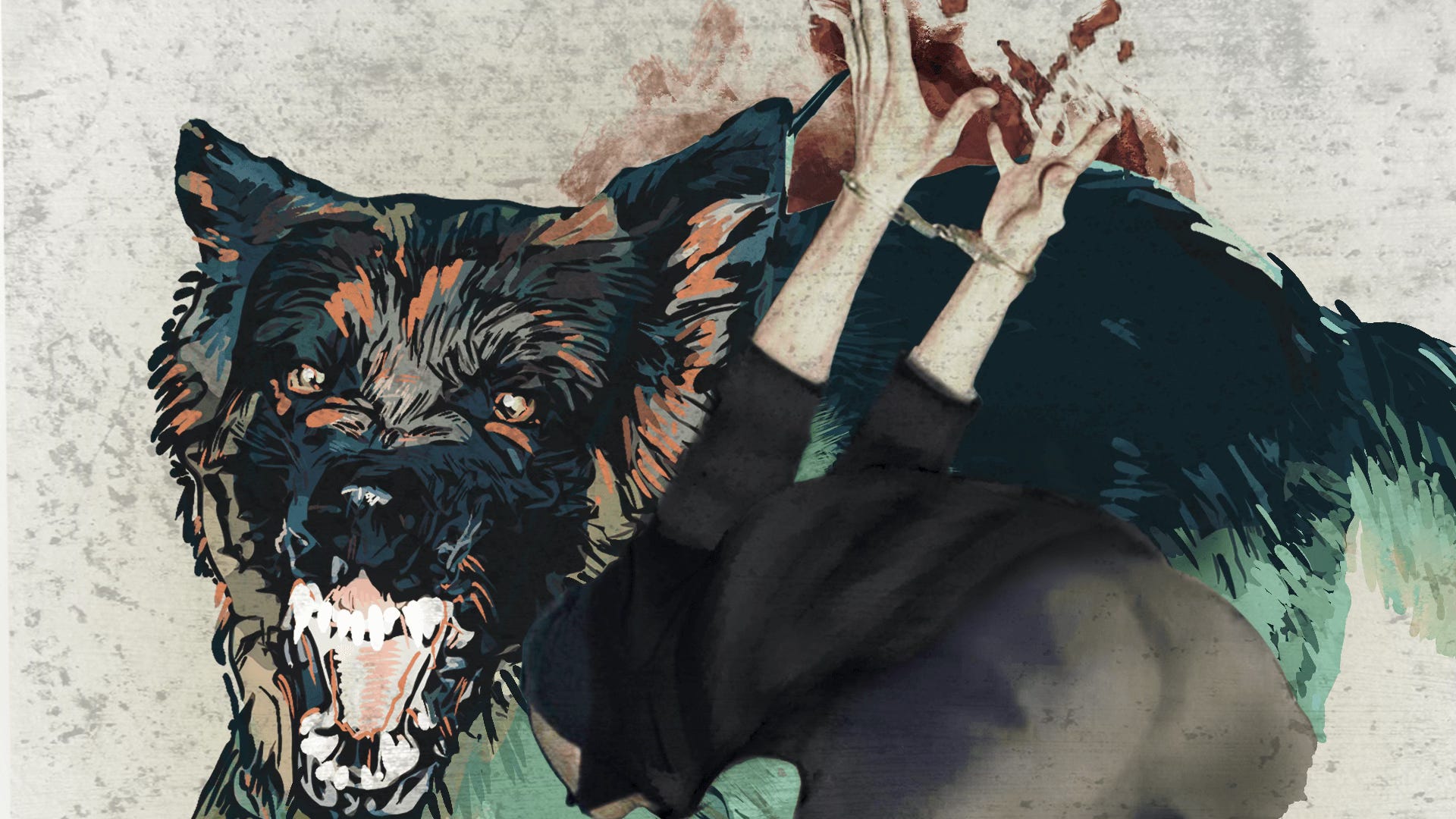
All former prisoners the BBC spoke to said stun guns were routinely used on inmates. Two said they were tortured with electric shocks to their genitals. Others described guards setting dogs on them, leaving scars from bites.
“During the morning inspection, we had to spread our legs as wide as possible. If someone’s legs were too close together, they were beaten on the legs to make them spread wider. They called it the ‘swallow pose’. And at that moment, they would simply unleash a dog on us,” says Denis Cheremisov, from the Kirovohrad region of Ukraine who was released as part of a prisoner swap in May 2025:
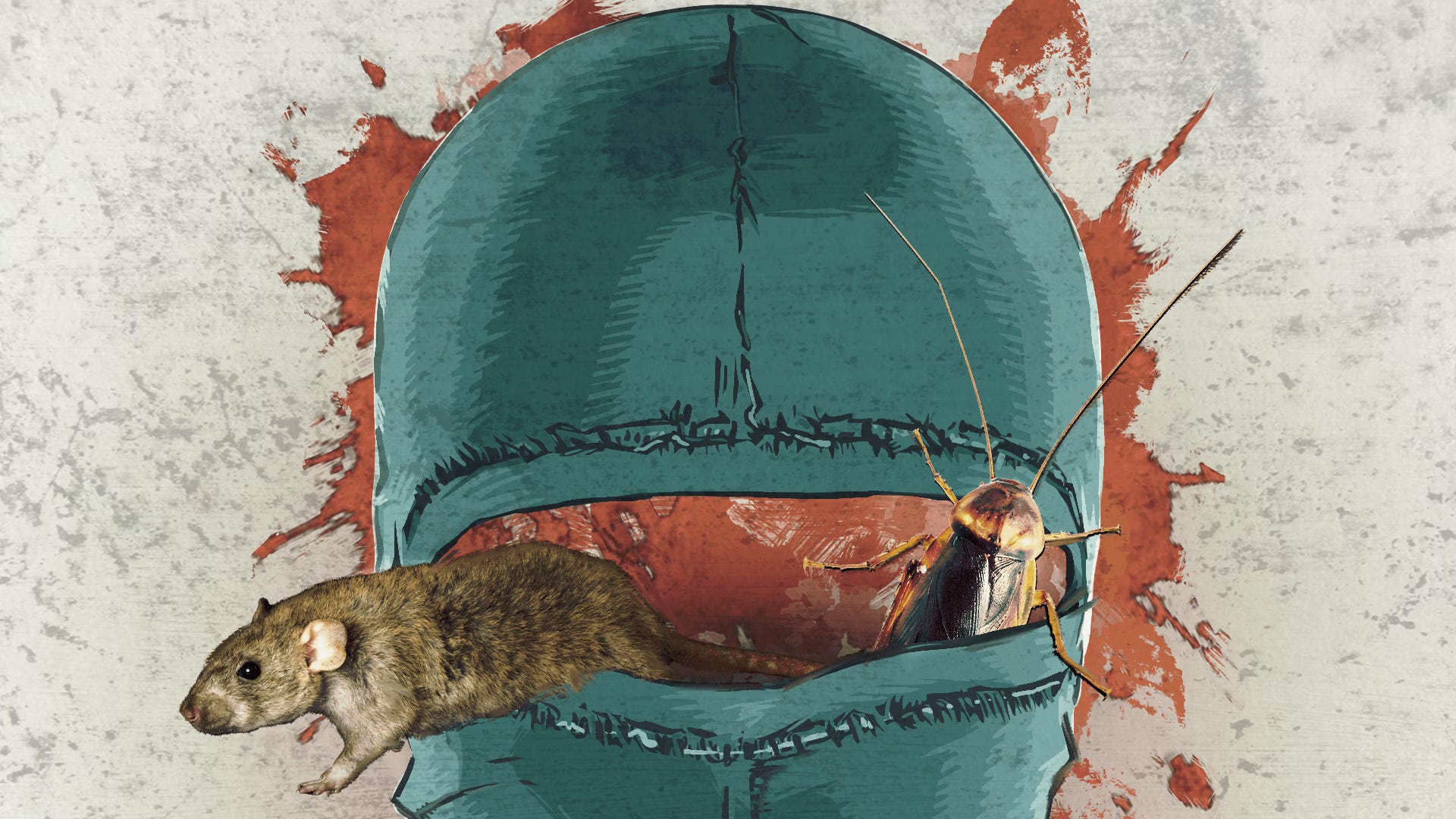
According to former inmates the BBC spoke to, prison officers wore balaclavas and gloves and never used names, making identification difficult.
But one alleged torturer’s identity was established.
“Doctor Evil”
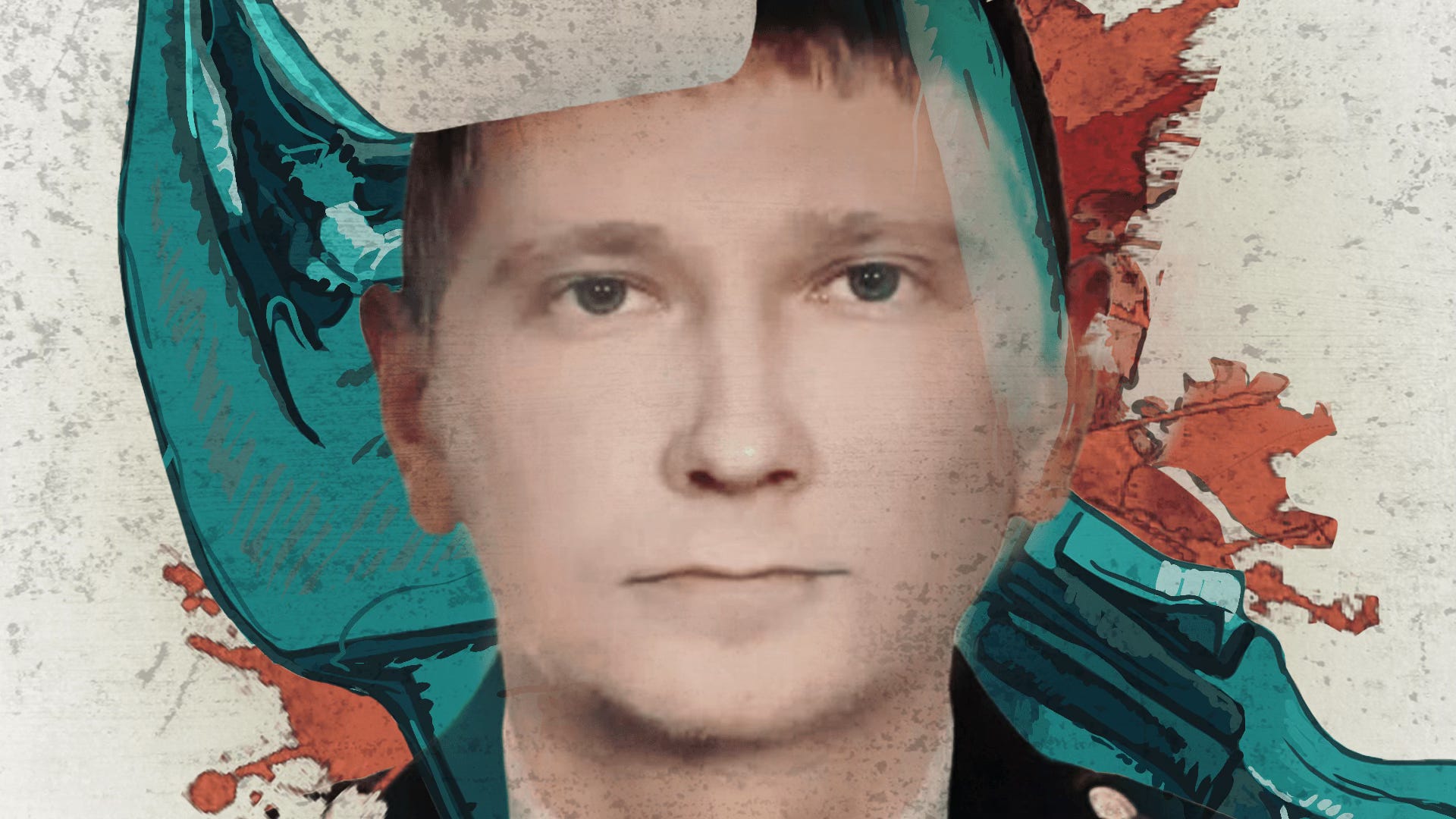
According to the former prisoners, medical care was almost non-existent, with minimal help given only in severe cases.
One prison medic was notorious for using a stun gun on people who asked him for help.
“The food slot would open in the cell door and you would be asked: ‘What’s wrong with you?’ For example, you say you have a high fever. He tells you to stick out your hand. You do — and the doctor hits your hand with a stun gun and says: ‘Well, did that help?’,” Architect recalls.
The medic was known as “Doctor Evil” among the prisoners.
Journalists from Schemes - an investigative project of the US Congress-funded Radio Free Europe/Radio Liberty - later identified him as Illia Sorokin, aged 35, who denied working for the prison and who deleted his social media profile after the investigation was published.
In one of his earlier posts, however, Mr Sorokin uploaded an image of an award certificate proving that he had worked at the prison, which was later confirmed to the Schemes journalists by a human resources manager.
The BBC has not been able to reach Mr Sorokin, but a source who spent six years in IK-10 says he was dismissed by the prison administration in 2023, and then joined the “special military operation” - Russia’s term for its war against Ukraine.
Nowhere to complain
Some inmates did not survive the Mordovian prison.
In fact, as of May 2025 at least 206 Ukrainian soldiers have died in Russian captivity in the first three years of the war, according to an investigation by the Associated Press based on numbers from the Ukrainian Prosecutor-General’s Office, human rights advocates and the testimonies from former prisoners.
Despite decades of reports of torture in Russian prisons, those responsible are rarely held accountable.
For the Ukraine prisoners the BBC has spoken to, even filing complaints was impossible.
Architect says his cell was once visited by a representative of Russia’s human rights commissioner - a state-appointed position meant to consider human rights cases across Russia.
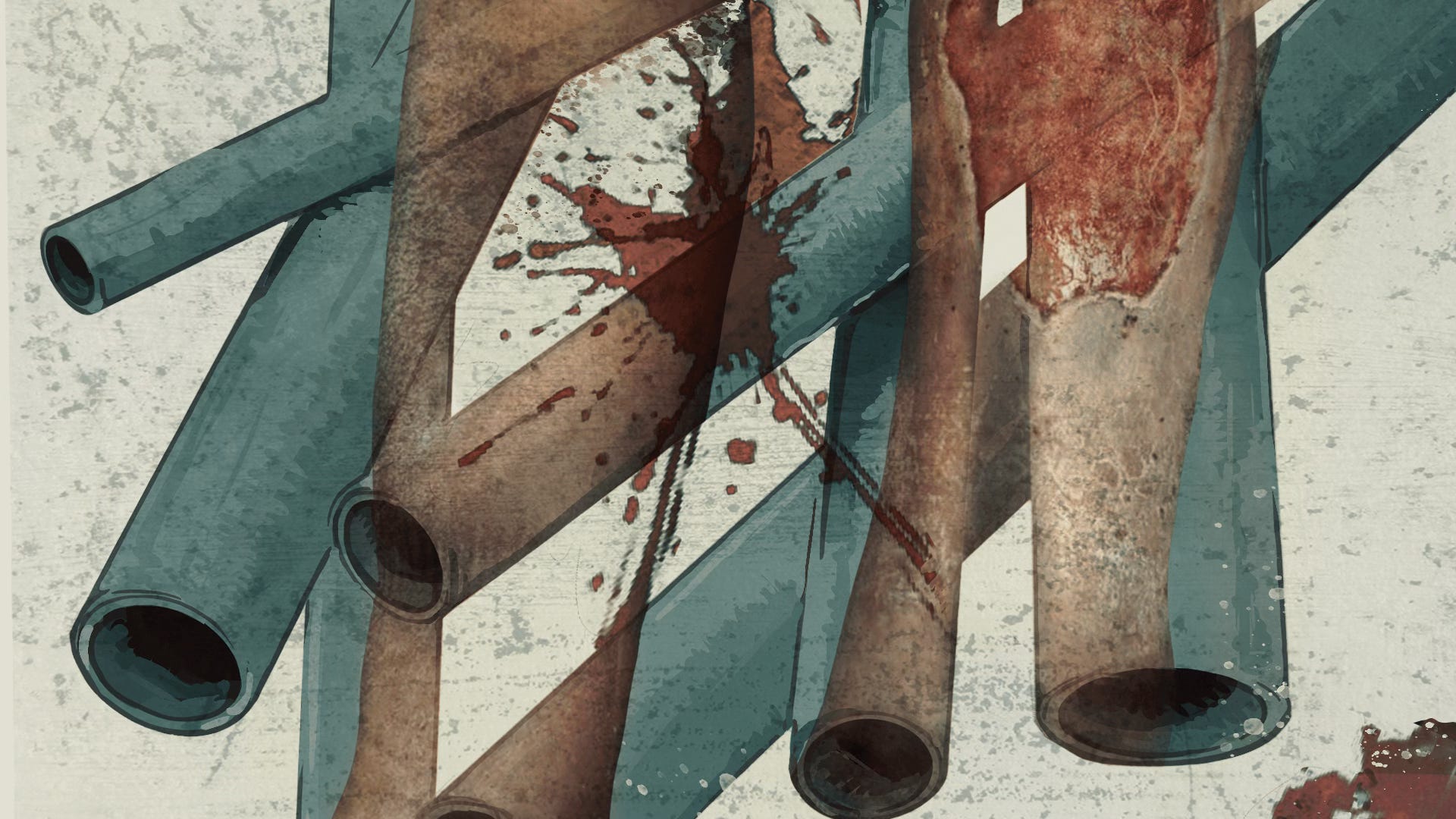
“The walls were covered with black mould, the bedding stained with rust-coloured blood,” says Architect who recalls how he stood in front of the official with a large bruise under his eye which he says was caused by a guard pressing a boot on his head while striking his kidneys. His legs were also lacerated from blows with a plastic pipe.
He recalls his cellmates were also distressed: thin, exhausted and bearing marks of beatings, they stared at the ground during the visit of the official who only made a brief appearance and then left, recalls Architect.
European monitors stopped visiting Russian prisons after Moscow withdrew from the Council of Europe - one of the continent’s largest human rights organisations - shortly after the full-scale invasion of Ukraine.
However, the United Nation’s Independent International Commission of Inquiry has reported “extremely cruel treatment” of Ukrainian captives in Russian prisons, including IK-10, and has documented crimes against humanity in relation to Ukrainian prisoners of war there.
Apart from IK-10 in Mordovia, more than 30 other facilities in Russia hold Ukrainian prisoners.
Russia’s Federal Penitentiary Service, which oversees IK-10, did not respond to our request for comment on this article, and no other official Russian response to these claims is on the record.
Having survived Mordovia, Architect plans to enter a military academy to become an officer. But his body needs to heal first and, he says, his mind will never forget what he endured.
For a faint heart like mine, I dare not read the article......
Just terrible. The level of cruelty that human beings can stoop to never ceases to amaze me.